Federal Reserve
Interest rates and cost of credit
Each Fed adjustment modifies the price of money in emerging markets. We follow FOMC meetings and their minutes to anticipate the effect on Ecuadorian dollar-denominated debt.

The global economy is an interconnected system where central bank decisions and fluctuations in commodity prices resonate in every corner of the planet. At Ecuador Mundo Hoy, we transform macroeconomic data into useful information for citizens and business owners.
Ecuador, as an exporting country, is closely dependent on international prices for oil, bananas, and shrimp. We analyze trends in OPEC, demand forecasts in Asian markets, and the fluctuations that affect state revenue.
When the price of a barrel of crude oil adjusts in futures markets, the effect reaches the national budget within weeks. The same applies to shrimp and bananas, whose prices in Asia and Europe determine how many dollars enter from exports each month.
This section is essential for understanding the health of public finances and the national budget. We track supply and demand cycles, OPEC production cuts, and climatic factors that alter agricultural supply, so that the reader can identify how each variation translates into fiscal revenue and local fuel prices.

PLATE · MARKETS · 01
Decisions by the United States Federal Reserve and the European Central Bank dictate the pace of credit and investment worldwide. We explain how interest rate variations affect external debt and access to financing for local projects.
A rate hike in Washington makes the service of sovereign and corporate debt in dollars more expensive. For Ecuador, which operates under a dollarization scheme, these movements are not offset by its own monetary policy: the country absorbs the international rate without being able to adjust its currency.
The stability of the dollar is a recurring topic given our particular monetary scheme. We monitor the dollar-euro index, remittance flows, and emerging debt spreads so that the reader understands how external monetary policy influences domestic credit, cross-exchange rates, and the cost of imports.
Each Fed adjustment modifies the price of money in emerging markets. We follow FOMC meetings and their minutes to anticipate the effect on Ecuadorian dollar-denominated debt.
ECB policy influences the euro-dollar exchange rate, which is key for banana, shrimp, and cocoa exports to Europe. We analyze each meeting and its impact on competitiveness.
By using the dollar, Ecuador imports stability and inflation from the United States. We explain what it means not to have one's own monetary policy and how it is compensated for with fiscal policy.
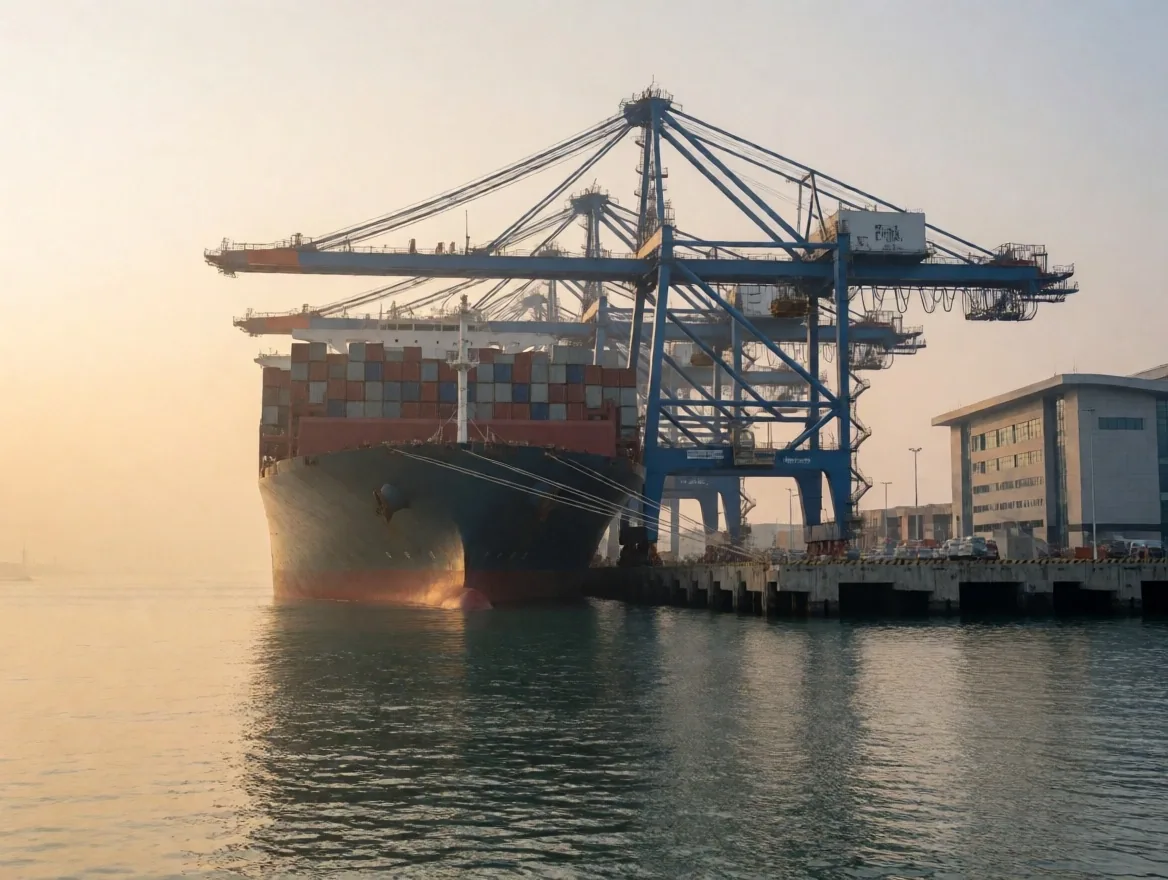
PLATE · TRADE · 03
We closely follow free trade agreement negotiations and the tariff barriers faced by Ecuadorian products. The analysis focuses on opportunities arising in blocs such as the Pacific Alliance or agreements with the European Union.
Each tariff, quota, and tariff preference modifies the exporter's margin. When the European Union reviews its generalized system of preferences, producers of shrimp, tuna, and flowers must adjust their commercial strategies within months.
Market diversification is the key to sustained and resilient economic growth. We observe how Asia-Pacific is gaining weight as a destination for traditional exports, and how bilateral agreements open or close doors for Andean products.
The world of finance is changing with the digitalization of payments and the emergence of new forms of investment. We report on the startup ecosystem, the development of digital banking, and trends in responsible investment.
In Ecuador, the adoption of electronic payment methods grows year after year. Local and regional fintechs offer credit, transfer, and treasury management alternatives that were previously only provided by traditional banks. This change modifies how retail trade is financed and how small businesses access working capital.
Fostering an entrepreneurial culture is vital for the modernization of the Ecuadorian productive apparatus. We cover investment rounds, accelerators, financial services regulation, and investment models with environmental, social, and governance criteria.

PLATE · INNOVATION · 04
Automation, remote work, and international logistics are reshaping the economy. We connect global labor market trends with major infrastructure projects that facilitate commercial exchange.
Automation and remote work are redesigning the way we produce. We report on global employment statistics and the new skills demanded by leading industries.
This information helps professionals and students prepare for the challenges of an increasingly competitive and globalized labor market. We track talent gaps in technology, logistics, manufacturing, and services, as well as the training policies that bridge those gaps in Ecuador.
The movement of goods depends on efficient ports, airports, and logistics corridors. We analyze major infrastructure projects in the region and the world that facilitate commercial exchange.
Logistics is the circulatory system of the economy, and its efficiency determines the final price of the goods we consume. We examine the port capacity of Guayaquil, land routes to the Pacific, and the corridors that connect Ecuador to global markets.
Global inflation impacts the pockets of local consumers through import prices. We track consumer price indices in different regions and how these translate to the national market.
Understanding these dynamics allows families to better plan their household economy in the face of uncertainty. We explain how inflation in food, fuel, and imported manufacturing affects the Ecuadorian family basket.
The transition toward economic models that respect the environment is no longer optional. We cover the decarbonization policies of large corporations and incentives for the circular economy.
These models represent not only an ethical duty but a competitive advantage in international markets that value traceability and environmental responsibility. We follow the standards that open or close markets for Ecuadorian exporters.
Our analysis combines data published by international organizations with local sources. These are the indicators we monitor regularly to explain the economic context.
Crude oil price
WTI and Brent reference pricing, OPEC production cuts, and their impact on Ecuador's oil revenues.
Interest rates
Decisions by the Federal Reserve and the European Central Bank, and how they affect the cost of credit and external debt service.
Trade balance
Monthly exports and imports, tariffs applied to Ecuadorian products, and progress in trade agreement negotiations.
Price indices
Inflation in the United States, Europe, and the Andean region, and its transfer to the cost of living and local import prices.
Employment and remittances
Global employment statistics, flow of remittances to Ecuador, and new skills demanded by industries in transformation.
Currencies and exchange rate
Evolution of the dollar against the euro and regional currencies, relevant for exporters, importers, and remittance recipients.
The cited indicators come from official publications of the corresponding organizations. The specific values change with each report; our job is to explain what each variation means for the Ecuadorian economy.
Our analysis team is available for consultations, personalized reports, and clarifications on the data we publish. Write to us with your questions about markets, currencies, or foreign trade, and we will respond shortly.
Address
Av. Amazonas N32-155 y La Granja, Quito 170507, Ecuador
Phone
+593 2 224 5678
Hours
Monday to Friday: 08:00 – 20:00
Saturday: 09:00 – 14:00
ROUTE · ECON · TERMINAL